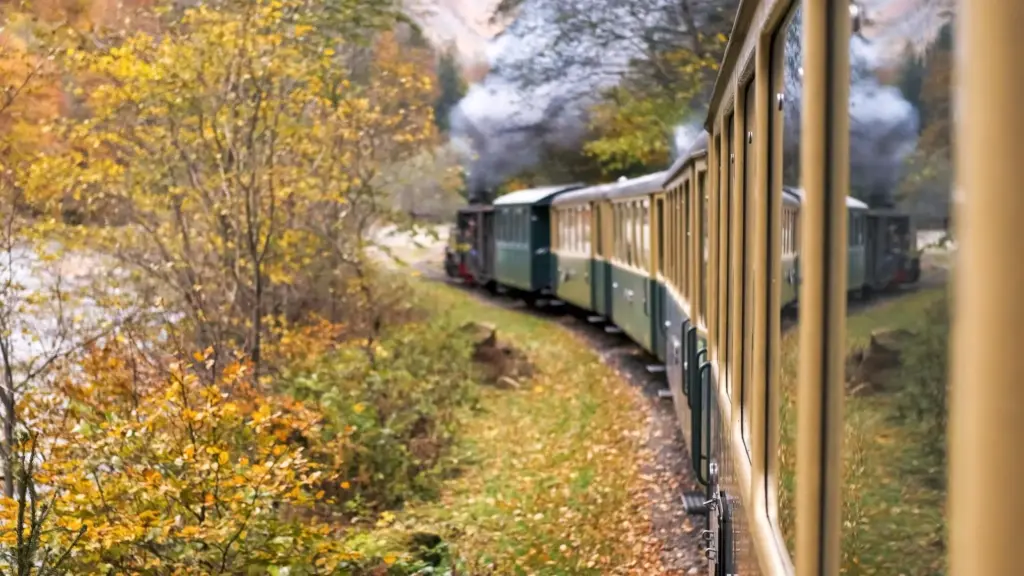
Step Off the Bus and Into Adventure

Join us as we explore bus-linked circular walks across the British countryside, where a simple day ticket unlocks hedgerow lanes, village greens, moorland ridges, and coastal commons. We focus on loops that begin and end at convenient bus stops, mixing navigational confidence with serendipity, sharing real stories, timely planning advice, and welcoming your suggestions for routes worth hopping off to try next.

Plan Smart with Timetables and Maps

Begin with a clear plan that respects rural timetables, seasonal variations, and daylight. Cross-check operator websites, Traveline, and stop-level notices, then sketch a loop on OS maps that comfortably fits intervals. Include bailout points, pub or café pauses, and realistic pace allowances for muddy fields or tempting viewpoints.

Timing the Last Bus

Rural services often finish earlier than you expect, especially on Sundays or during school holidays. Note the final reliable departure, identify an earlier fallback, and set a turnaround time. If delays arise, shorten the loop via lanes or permissive paths signed toward intermediate stops.

Finding the Loop from the Stop

From the shelter, take a minute to orient using an OS grid reference, a fingerpost, and landmarks like church spires or ridge lines. Choose a clockwise line to warm up gently, linking stiles and hedgerows, and bookend the circuit within easy sight of the original stop.

Wayfinding Through Fields, Woods, and Lanes

Britain’s rights of way network links ancient church paths, farm tracks, and green lanes into endlessly varied circuits. Learn to pair fingerposts with OS map symbols, note crops and livestock, and respect diversions. Gentle navigation builds confidence, preserves habitats, and keeps your day relaxed and rewarding.

Reading the Landscape

Use contour lines to predict climbs, spot spurs guiding you toward broad views, and read hedgerow species that hint at centuries-old boundaries. Combine these clues with waymarks so small detours feel intentional, not stressful, turning a simple loop into a conversation with the land.

Respect for Gates and Livestock

Follow the Countryside Code faithfully: close gates, avoid trampling crops, and give cattle generous space. Keep dogs on short leads near sheep, pass quietly, and skirt around herds where possible. Your calm movements reduce stress for animals, farmers, and fellow walkers sharing narrow paths.

Moments Worth the Detour

Bus-linked loops invite gentle spontaneity, because you are never stranded far from a ride home. Leave time for a church tower, a riverside picnic, or an inn with a crackling fire. These pauses transform mileage into memories, nourishing weary legs and brightening shy afternoons.

Seasonal Choices and Packing Lists

Different seasons reshape the same circuit into fresh experiences. In spring, lambs and bluebells demand gentleness and patience; in summer, bracken and midges encourage longer sleeves. Autumn mud rewards gaiters, while winter sun demands spare layers, hot flasks, reflective accents, and contingency snacks.

Rain-Ready Essentials

Carry a lightweight waterproof shell, breathable overtrousers, and a pack cover or liner. Dry bags protect maps and phones, especially if schedules require patient waiting at windswept shelters. A soft towel, spare socks, and warm hat restore cheer remarkably quickly after heavy showers.

Sun, Heat, and Water

High hedges and open downs can each magnify heat. Wear sunscreen, a brimmed hat, and light fabrics, and sip regularly with electrolytes. Mark refill points like church taps and cafés. Plan shade breaks along woodland edges so miles remain comfortable, unhurried, and safe.

Maps, Apps, and Battery Life

Download offline tiles for OS Maps or other trusted apps, bring a compact power bank, and switch to airplane mode between photos. Paper maps still shine in drizzle. Screenshot timetables and e-tickets, because signal deserts can appear suddenly between villages and quiet, bowl-shaped valleys.

Stories from the Stop

Some of our best memories began beside a modest wooden post displaying times. A rainy Tuesday near Dartmoor turned golden when a driver suggested a meadow detour; a frosty morning in the Cotswolds ended with strangers sharing fudge. Openness turns timetables into invitations.

Birdsong as a Guide

Listening frames the route: skylarks thread silver sound over open downland, while robins, wrens, and blackbirds mark hedged lanes. Learn a few calls to orient when signs grow sparse. Stillness before buses arrive or depart becomes unexpected field time, not dead time.

Leave No Trace, Even at the Stop

Take all litter home, including orange peels and tea-bag strings. If a shelter feels tired, tidy respectfully, thank the space, and leave it cleaner for the next traveller. Tiny habits multiply along routes and keep these connections functional, dignified, and welcoming for everyone.

Panoramas Earned the Gentle Way

Buses often reach ridge villages and moorland fringes that make height gain modest yet views immense. Link a gentle loop to a vantage point, linger without engine noise, and trace your return route in the patchwork below. Tranquillity arrives quietly, and lingers tenderly.

Daxilumasanovexolentotora
Privacy Overview

This website uses cookies so that we can provide you with the best user experience possible. Cookie information is stored in your browser and performs functions such as recognising you when you return to our website and helping our team to understand which sections of the website you find most interesting and useful.